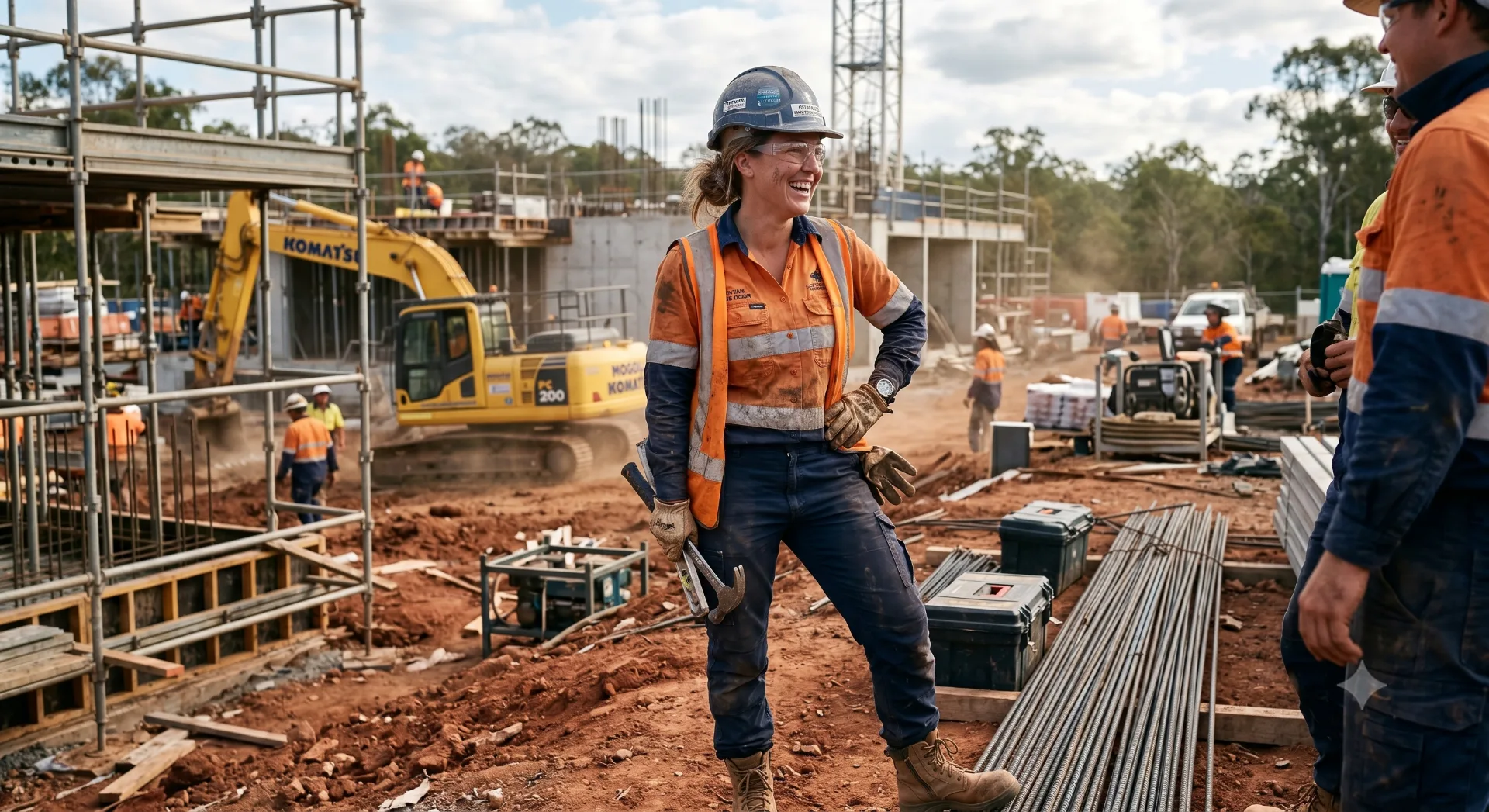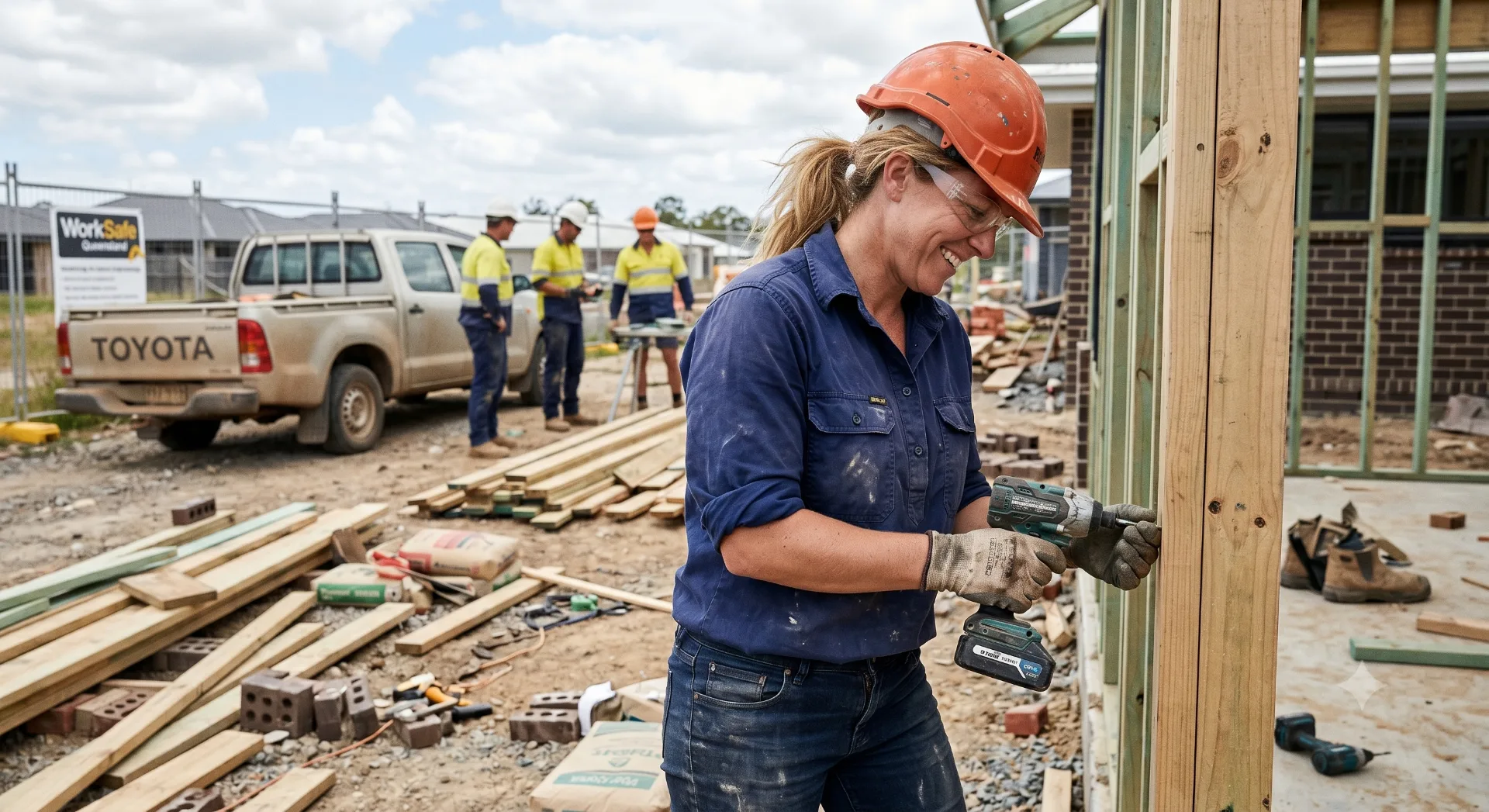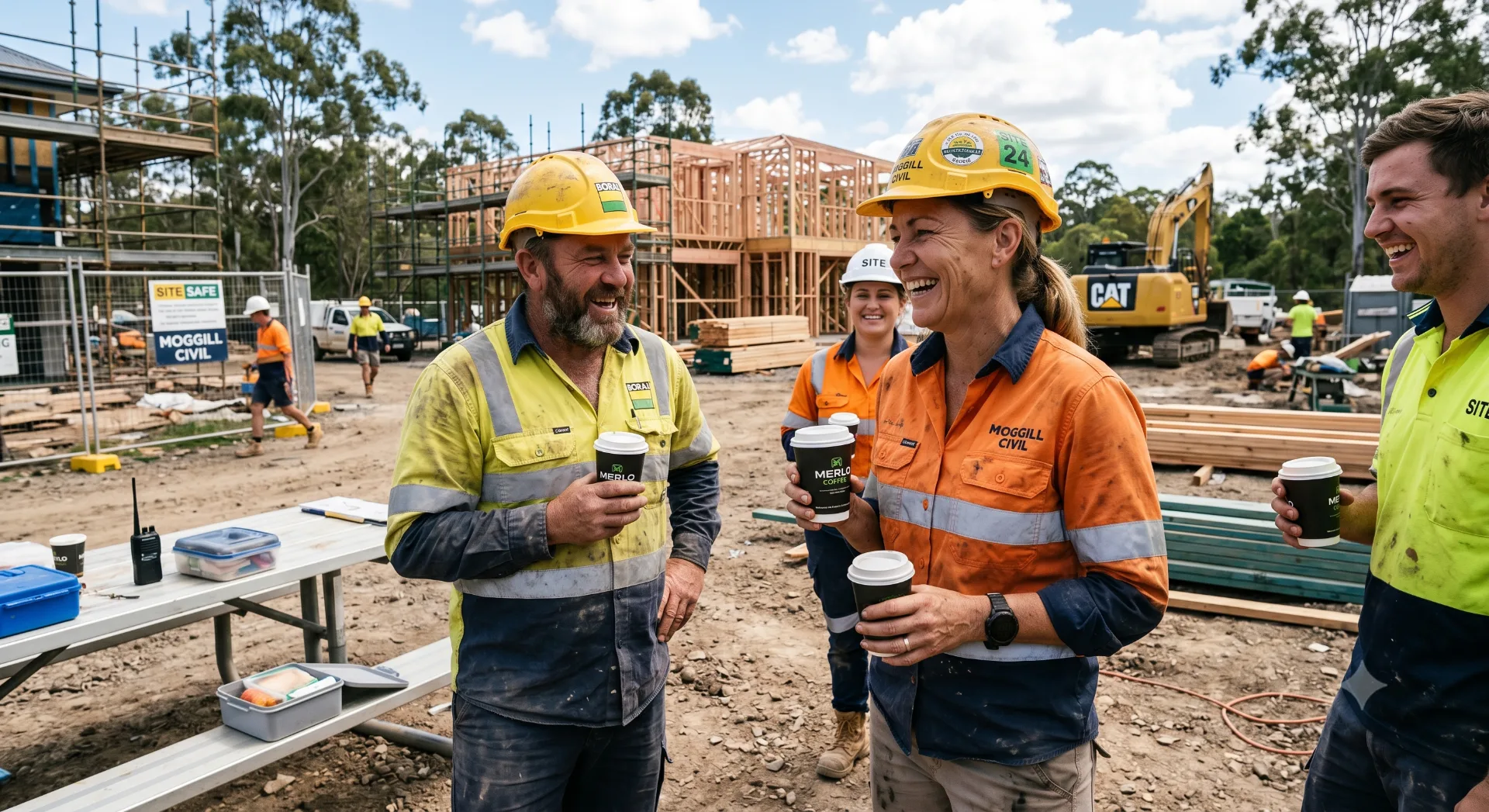
There's a moment almost every tradeswoman-turned-business-owner hits. You're standing in the office - maybe it's a converted spare room, maybe it's the front seat of the ute - and you realise the thing you're best at isn't the thing you're supposed to be doing anymore.
You built this business because you could do the work. Now the business needs you to run it, and those are two very different jobs. Nobody hands you a manual for that shift. I know, because I lived it. Cutting steel with a crew of eight one year, and helping run the office side of a formwork business the next.
Why the leap feels so uncomfortable
On the tools, progress is visible. You can see the frame go up, the pour go in, the job get ticked off. In the office, progress looks like an email answered, a quote sent, a system tidied, and none of it feels like "real work" the way a finished job does. That gap between what feels productive and what actually grows the business is where most owners get stuck.
It doesn't help that stepping back can feel like stepping away, from the crew, from the identity you've built, from the part of the job you're genuinely proud of. That discomfort is normal. It doesn't mean you're doing it wrong.
What actually helps
- Name the two jobs separately. Doing the work and running the business are different roles. Give yourself permission to be learning one while you're already excellent at the other.
- Protect small blocks of "office time" like you'd protect a booked job. If admin only happens in the gaps, it never gets the attention it needs.
- Get the pricing and paperwork basics locked in early. A shaky quoting process or messy invoicing will follow you into every stage of growth if you don't fix it now.
- Find someone who's actually made the leap. Not a generic business coach reading from a script, someone who knows what it's like to go from steel-capped boots to spreadsheets in the same week.
You don't lose what got you here
Making this shift doesn't mean abandoning the tradie in you. It means giving her a business that can actually support the life you're building. The site skills, the problem-solving, the ability to stay calm when a job goes sideways, all of that comes with you into the office. It just gets pointed at a different set of problems.
If you're standing in that uncomfortable in-between right now, that's exactly where coaching helps most. Not by replacing your instincts, but by giving you the structure to trust them in a new setting.